
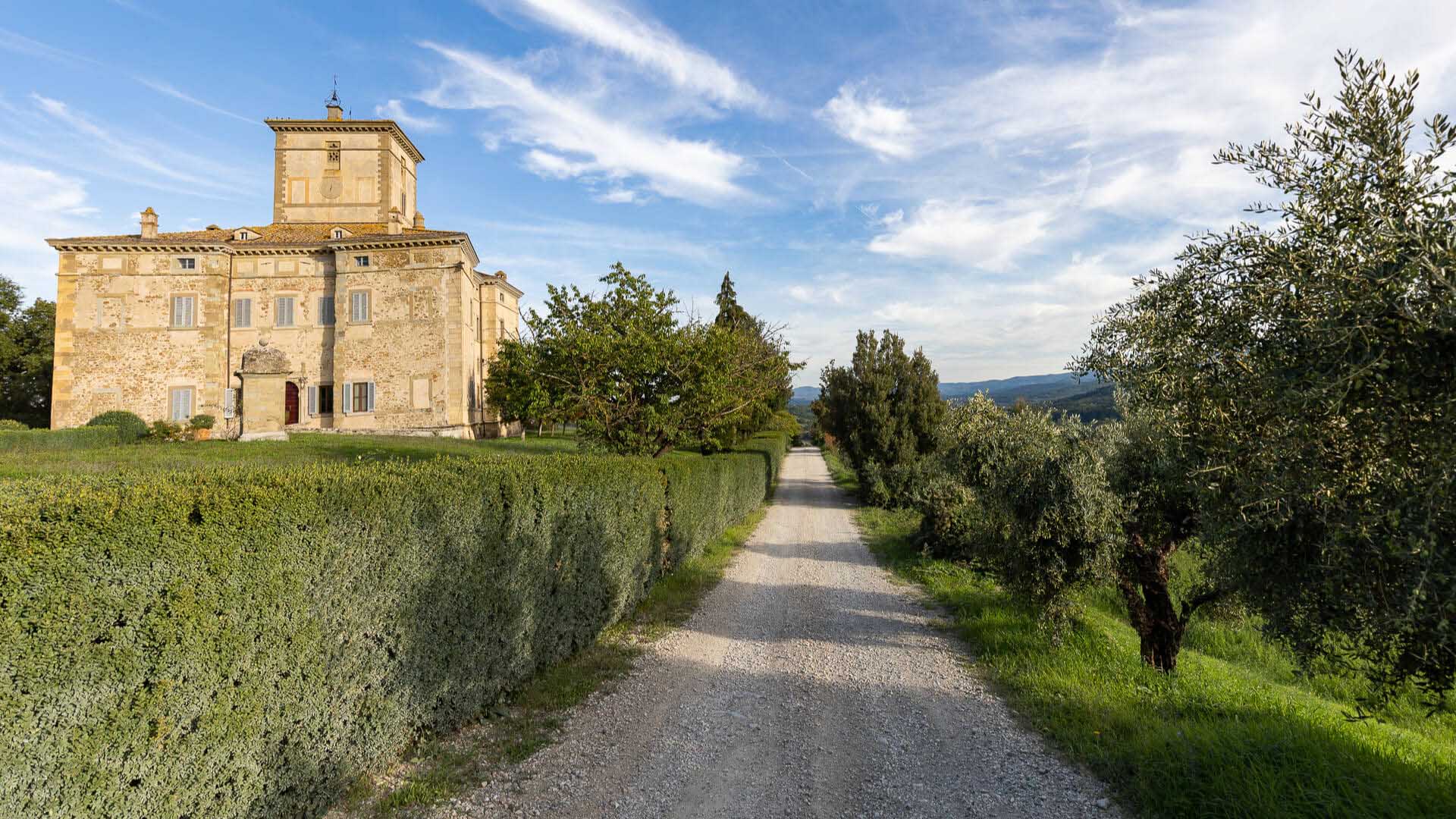
There comes a moment, during certain journeys, when the noise fades away. It happens when you walk along a path in the woods and hear only the sound of your footsteps on the ground. When you cycle through a village and realize that time isn’t rushing by—it’s you who have stopped chasing it. When the wind fills a sail and the sea is no longer just a backdrop to photograph, but a space to inhabit with respect. Or when a local guide stops, points to a rock, a tree, a bend in the landscape, and begins to tell a story that we wouldn’t have been able to see on our own.
In this age of unbridled consumerism, bucket-list vacations, and ever-more-distant travels, a new awareness is taking hold: even while on vacation, we can choose a more sustainable, slower, and more mindful way of life. Not to give anything up, but to better appreciate what’s right in front of us.
This is where ecotourism comes in.It’s notjust a vacation in nature. It’s a way of traveling that favors getting around on foot, by bike, or using low-impact transportation, encouraging us to experience places more mindfully and to respect the environment, local rhythms, and the communities that host us. It’s about the destination, of course, but also about the pace at which we explore it.
But what exactly is ecotourism?
Ecotourism isn’t just about choosing a nature-based destination. It means taking a more mindful approach to travel.
It means traveling with a smaller environmental footprint, choosing low-impact activities like hiking, biking, or sailing, avoiding overcrowded places whenever possible, and respecting the local landscape, people, and way of life.
It also means supporting local economies: small businesses, local guides, producers, artisans—entities that preserve a sense of identity and make the travel experience more authentic.
Jonas’s philosophy also aligns with this approach, guiding travelers toward a slower, more mindful, and respectful way of discovering the world. It is a vision that prioritizes nature, people, groups, guides, and the quality of the experience, rather than simply consuming a destination.
How to Spot a Truly Sustainable Vacation
It’s not always easy to tell right away whether a vacation can truly be considered sustainable. Sometimes, all it takes is the word “green” in a description to give the impression of a responsible experience. But true ecotourism is recognized by concrete actions.
The first issoft mobility. Getting around on foot, by bike, or by sailboat completely changes the way you experience a place. You don’t just pass through it; you listen to it. You notice details that would be lost if you were driving: a scent, a hill, a solitary house, the sound of water, the shift in light between a forest and an open field.
Then there aresmall groups and local guides.A guide doesn’t just show you the way. They help you interpret the landscape, tell the story of the places, and explain the traditions—and even the vulnerabilities—of a region. They often make the difference between simply “visiting” and truly understanding.
Another important decision concernsdestinations. Ecotourism works well when it also draws attention to less obvious areas: inland regions, valleys, villages, parks, and islands that are experienced outside the context of hit-and-run tourism. Places where travel can have a positive impact—including economic and cultural benefits.
Theseasons and the pace of life also matter. Choosing less crowded times of year helps you experience the destination more fully and contributes to a more balanced distribution of tourism. Not everything has to happen in August; not everything has to be concentrated in the same places.
Finally, there are theeveryday habits: reducing waste, staying on the trails, taking nothing from the environment, conserving water, buying local, and leaving places just as we found them. Small things, perhaps. But sustainable travel is built precisely on these choices—choices that may seem minor but actually say a lot about how we live in the world.
The Project First Mile goes exactly in this direction: making sustainability part of the travel experience, helping travelers make more responsible choices before, during, and after their trip.
Italy, seen at a slower pace
For those seeking an immersive and authentic experience, Italy is an almost obvious choice. Mountains, islands, hiking trails, villages, coastlines, parks, hills, and inland areas offer an enormous variety of landscapes, often just a short distance from one another.
You don’t necessarily have to hop on a plane, cross continents, or plan arduous expeditions.
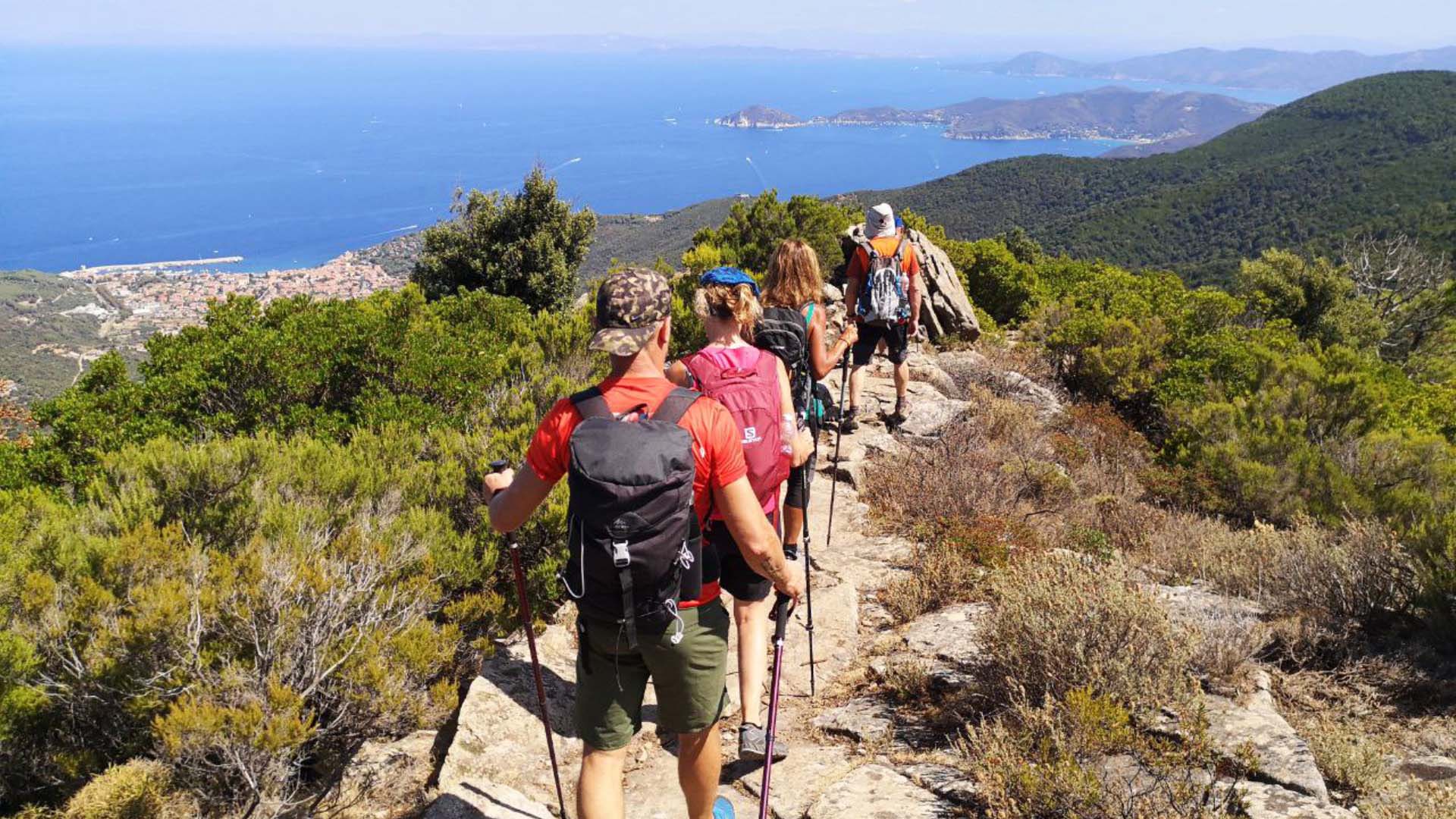
Ecotourism in Italy can take many forms. It can be an easy hike in the mountains, a bike ride through vineyards and olive groves, a peaceful boat trip among the islands, or a walk in a nature park.
It is precisely this variety that makes it so appealing: there is no single way to enjoy a sustainable vacation in nature. There is a right way for everyone.
4 Ecotourism Ideas in Italy with Jonas
Brisighella, Romagna: Slow Ecotourism Amid Village Life, Nature, and Spas
Brisighella is one of those destinations that proves a simple truth: you don’t have to go far to enjoy a more sustainable vacation. Sometimes all it takes is choosing a village, walking through it, listening to it, and giving it time to tell its story.
Nestled in the heart of the Lamone Valley, amidst rolling hills, hiking trails, and a relaxed atmosphere, Brisighella is the perfect choice for those looking to explore ecotourism without seeking out extreme adventures. It’s an accessible getaway featuring easy hikes, nature, expert guides, and a leisurely pace.
It’s the perfect choice for anyone looking to take their first steps toward a sustainable nature vacation: couples, small groups, curious travelers, and people who want to explore on foot without tackling a strenuous hike.
Val di Non, Trentino: Hiking through forests, canyons, and rock-hewn sanctuaries
The mountain doesn't have to be a conquest. Sometimes it can be an encounter.
The Val di Non, in Trentino, perfectly embodies this idea of a gentle, accessible mountain region rich in nature and culture. It is a destination for those who want to hike through forests, past lakes, and through canyons and spiritual sites without turning their vacation into a technical challenge.
Between Lago Smeraldo, the Sanctuary of San Romedio, and the Rio Sass Canyon, the journey becomes a way to immerse oneself in the landscape with a sense of reverence. The fir and larch forests, animal tracks, life in the mountain pastures, and guided hikes come together to create an experience centered on observation and listening.
This is the perfect vacation for those who want to enjoy the mountains at a leisurely pace, for beginners to hiking, or for anyone looking for a relaxed yet fulfilling outdoor experience.
Umbria by e-bike: villages, hills, and sustainable travel
Umbria seems tailor-made for a leisurely exploration. Gentle hills, olive groves, vineyards, backroads, and medieval villages that suddenly appear around a bend. In this landscape, a bicycle is not just a means of transportation: it’s a way to connect with the region.
A weekend e-bike tour through Spello, Montefalco, Bevagna, Foligno, and Rasiglia lets you explore central Italy at a sustainable and accessible pace. The electric bike makes the trip easier, opens up the experience to those who aren’t particularly fit, and lets you enjoy the scenery without turning every hill into an obstacle.
Here, ecotourism is all about the charm of the villages, the town squares, the rolling farmland, the local food and wine, and the stories told by an expert guide. It’s an active journey, but not a hectic one. Dynamic, but not competitive.
It’s perfect for those who love rural landscapes, historic town centers, good food, and the idea of a sustainable vacation that doesn’t sacrifice the joy of discovery.
Elba and Giglio by sailboat: marine ecotourism
You don’t have to explore all of nature in hiking boots. Sometimes you explore it by following the wind.
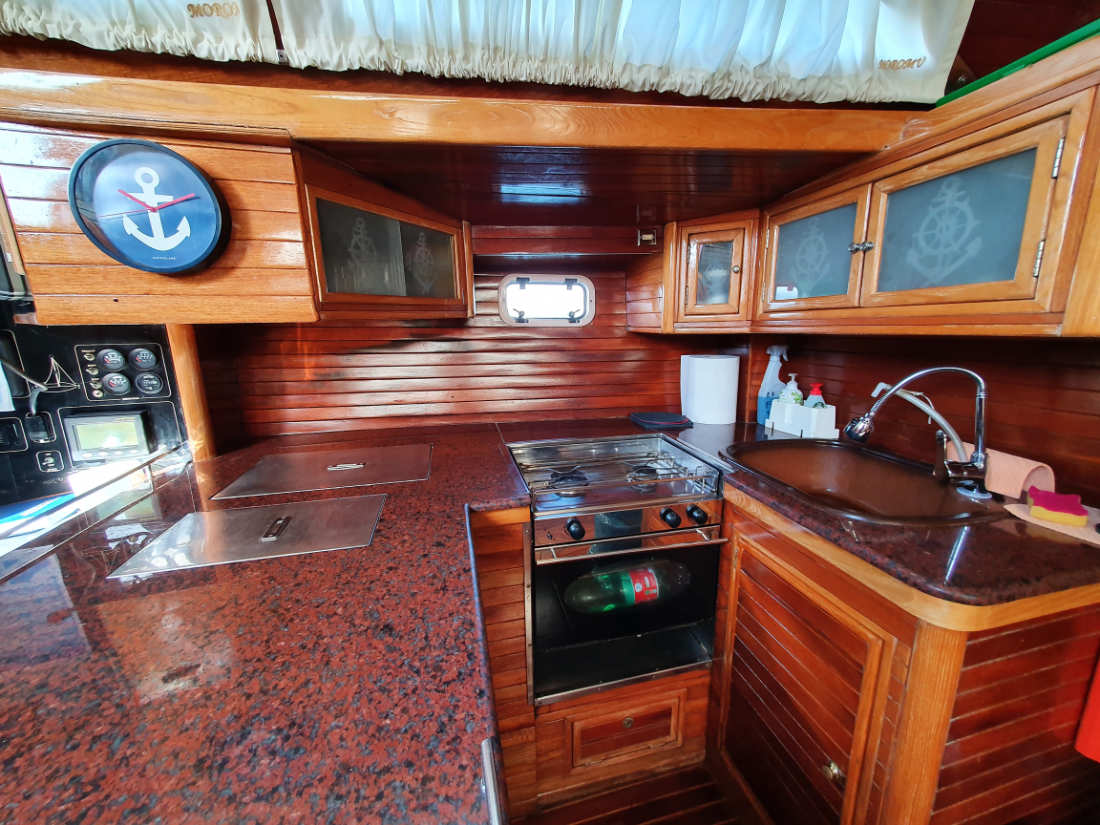
A sailing vacation between Elba and Giglio brings ecotourism to the sea, offering an experience quite different from that of hiking trails and villages. Here, the journey is defined by the rhythm of sailing, by sharing space, by a focus on the marine environment, and by the beauty of reaching places that would be much harder to experience from land.
Viewed from a boat, the Tuscan Archipelago takes on a whole new perspective. The beaches, coves, coastlines, and silhouettes of the islands become part of a quieter, more essential experience. Sailing naturally invites you to slow down: you can’t control the wind; you can only learn to listen to it.
This is the perfect option for those who want a vacation surrounded by nature but not necessarily in the mountains. It’s ideal for those seeking the beach, light adventure, a sense of community, and a more respectful way to experience the islands—at least partly away from the hustle and bustle of crowded tourist spots.
Perhaps the true meaning of ecotourism lies precisely here: not in seeking the perfect vacation, but in changing our perspective. Walking instead of rushing, listening instead of consuming, passing through a place without claiming to own it.
A sustainable vacation in nature isn’t about making sacrifices; it’s a more fulfilling way to travel. It means choosing experiences that leave room for the landscape, the people, the stories, and those little details that often get overlooked during more rushed trips.
Discover Jonas vacations on foot, by bike, and by sailboat, and find your own way to experience nature more mindfully.